
One of the most overlooked but critical aspects of savings or achieving any financial-related goal is determining why you want to save. That may sound simple, but let me give you an example. Client: I want to retire at 55. Me: Why? Client: I hate my job. Me: What will you do in retirement, especially one that could last a … Read More
5 Questions to Ask as You Begin Your Tax Planning
While I often talk to people about how tax planning should be year-round, it obviously gets the most attention at the beginning of the year when tax preparation begins in earnest. Planning at the beginning of the year should be focused on the following; What are your retirement contributions plans? Are you focused on 401(k), IRA, or both? If you … Read More
Five Ways to Support Your 401(k) Plan

As a 401(k) advisor, I help to reduce your 401(k) workload, but I also help to reduce your liability by taking on a fiduciary role. Bottom line, my biggest responsibility is to identify and mitigate your personal liability risk while helping to empower your employees to build assets for their retirement. Learn about the five areas where we can elevate and support your 401(k).
Setting Priorities; 3 Essential Factors to Begin the New Year

New Year resolutions and goals are a huge part of ringing in the new year. And while having goals are important, studies have shown that less than 25% of people actually stay committed to their resolutions after just 30 days, and only 8% accomplish them. So what can you do to help yourself achieve your personal and financial goals? Focus on … Read More
How to go Beyond Traditional 401(k) Education & Advice
While some plans worry about the legal consequences of offering advice programs, the Pension Protection Act (PPA) and related DOL guidance continue to support education and advice programs. We believe that an effective plan design will provide good alternatives for participants, and effective education and advice programs will enhance the likelihood that participants will make sound designs. The result will … Read More
5 Options on How to Handle A Bonus
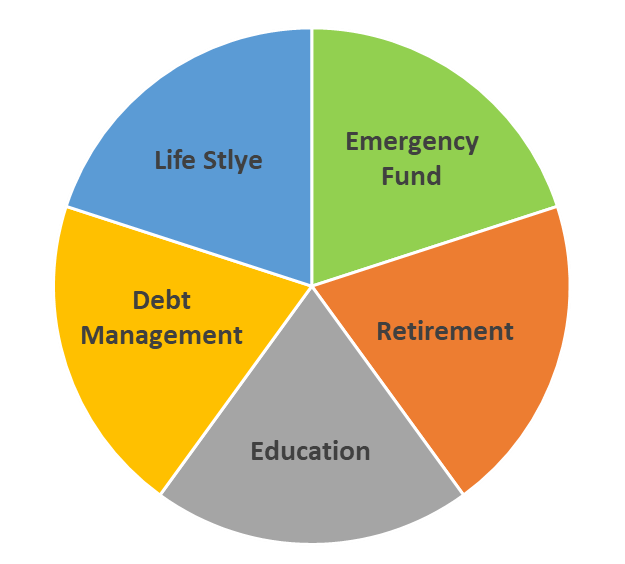
So, you just received your company bonus check. Now, what should you do with it? Before you go out and spend it on something that you might regret, have you had a chance to review your wealth planning pie? Your wealth planning pie consists of all your wealth planning priorities, purposes, and objectives. No matter if you have $1,000 or … Read More
Four 401(k) Plan Administration Best Practices

The cornerstone of effective plan administration is the plan document, which stipulates how Fiduciaries will handle the administrative features of the plan. All Qualified retirement plans must satisfy complex coverage and nondiscrimination testing requirements to qualify for the special tax treatment afforded to these plans under the Internal Revenue Code. In addition, most plans that permit employee elective deferrals must … Read More
How to Make the Most of Year End Tax Planning

There should be three times per year when tax planning should be front and center of your overall wealth management plan; Beginning (January/February), middle (June/July), and the end of the year (November/December). Planning at the beginning of the year should be focused on the following; What are your retirement contributions plans? Are you focused on 401(k), IRA, or both? If … Read More
How Understanding Your 401(k) Plan Costs & Disclosures Can Reduce Your Personal & Plan Risks

The duty to pay reasonable fees for your plan services and to act solely in the best interest of participants has been a key tenant of ERISA since its passage. Plan sponsors employing a disciplined and diligent approach to reviewing and negotiating fees can feel confident in their compliance with this area of responsibility. The DOL has implemented a three-step … Read More
4 Steps to Prepare For Stock Market Volatility

While Covid-19 has made stock markets more volatile, investors can become complacent given long stretches where performance appear to go straight up. It’s always critical to understand your current level of risk and how that could change over time to align with your wealth management plan. Here are four steps that can help you prepare for stock market volatility.